

Add Your PerspectiveNovember 18, 2008
“Blink”: Why No One Starts with a Clean Slate
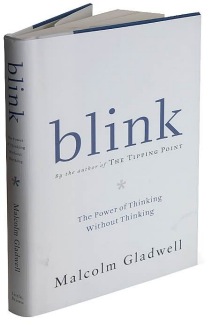 The call comes in from out of the blue. You don’t know her; it’s Jen Spaziano, and she represents the company your client is — or perhaps was — merging with. Apparently there is a problem, and she is proposing to mediate before litigation. Your fingers work the keyboard to figure out who she is while she’s still talking: Skadden. Partner. Woman. Pepperdine Law 1995, summa cum laude. Boston College undergrad. You begin to react. Do you respond any differently than if the call came from Bill Adams? Of course you do.
Blink: One Professional Starts with a Clean Slate
In negotiation no one starts with a clean slate; we file that lawsuit, we walk into that conference room, or we place that call, and our identities are immediately revealed. More…
Categories: Communication,Fundamentals,Negotiation,Strategy
1 PerspectiveNovember 7, 2008
Better Settlements From Better Information: Early Case Assessments IV

“You can pay them, or you can pay me. But don’t pay us both.” My friend Robert Manley told me that as we sent him a new lawsuit a few years ago, and his quote sums up one of Early Case Assessments’ biggest benefits. As we have discussed before, getting your ECA done — gathering the information required by the Early Case Assessment Checklist discussed in Part II and Part III of this series — requires an up-front investment. This post will tell you why, if you plan to settle your case, a thorough Early Case Assessment will be worth that investment.
More…
Categories: ECA,Miscellaneous,Negotiation,Settlement,Strategy,Tactics
Add Your PerspectiveOctober 17, 2008
How Do You Settle Halfway? Settlement Structures Part II

In You Can Win by Settling Halfway: Settlement Structures Part I, we discussed when it might pay to settle halfway — when you might resolve parts of a dispute to “streamline the matter, limit expenses, and refocus the parties on resolving what’s left.” While Part I outlined several high-level examples of how it works in theory, here’s a successful example to demonstrate how settling halfway can work for you.
What’s Really in Dispute?
I got called into a dispute between my client at the time and a recently departed executive. The former executive disagreed with the compensation he was paid as he left. Like many claims involving former execs, the stakes were high, and the emotions ran higher. Both sides wanted to prove that they were right, and the case would not settle. Once I really understood each side’s position — on the facts and in the broader context — an opportunity to settle halfway began to emerge. More…
Categories: ADR,Arbitration,Settlement,Strategy,Structures
Add Your PerspectiveOctober 10, 2008
You Can Win By Settling Halfway: Settlement Structures Part I

“If you are going to do a half-ass job, don’t do it at all.” My dad gave me that advice years ago, and I never forgot it. But if you have an important dispute, settling it halfway may be a victory in itself.
“Settling halfway” isn’t complicated; it’s just what the name implies. In disputes where you aren’t ready — or able — to settle the entire case, look for ways to eliminate parts of it to streamline the matter, limit expenses, and refocus the parties on resolving what’s left.
The Idea Behind Settling Halfway
After several years of defending what was then KPMG Consulting, I had one of those “aha” conversations with an outside counsel I really respect. As we brainstormed on how to eliminate some of the inefficiencies inherent to litigation, he reminded me of a difference between our perspectives: in-house litigators are free to ignore “unnecessary rabbit trails,” skip secondary witnesses, and forego tactics that have little likelihood of success, while most outside counsel feel compelled to leave no stone unturned — and they usually need written confirmation for the file when they abandon anything. More…
Categories: Arbitration,Negotiation,Settlement,Strategy,Structures,Tactics
Settlement Perspectives
is the professional weblog
of John DeGroote.
I created this site to help clients and their counsel navigate the challenges that inevitably result from disputes, settlement efforts, impasse, and negotiation in general. The perspectives I bring are based on my experience, summarized in this abbreviated bio. If you have any questions or thoughts about this site, or an issue you’d like to see addressed, please email me at:
Categories
- ADR
- Arbitration
- Blogging
- Communication
- Decision Trees
- ECA
- Education
- Fundamentals
- Mediation
- Miscellaneous
- Negotiation
- Negotiation Ethics
- Newsletters
- Resolution Tree
- Rule 68
- Selected Posts
- Settlement
- Settlement Counsel
- Strategy
- Structures
- Tactics
- Theory
- Walk Away
Search This Site
Selected Posts
- Why Settlement Counsel? A Lesson from the Scorpion and the Frog
- The Decision Tree, Step by Step: How Much Is Your Million Dollar Case Worth?
- Lawsuit Settlement: 7 Ways to Get There Faster, Better and Cheaper — The Presentation
- Early Case Assessments: An Updated Index to Settlement Perspectives’ ECA Posts
- Why It May Be a Bad Idea to “Send them a Message”